Long road trips can be memorable and enjoyable, but only if your vehicle is ready for the journey. Extended driving places continuous strain on mechanical systems, tires, and fluids. Proper preparation reduces the risk of breakdowns, improves safety, and helps ensure a smooth and stress-free trip from start to finish.
Start With a General Vehicle Inspection
A basic inspection helps identify potential problems before they become serious on the road. Even small issues can worsen quickly during long-distance driving.
Key areas to inspect include:
- Unusual noises or vibrations
- Dashboard warning lights
- Signs of fluid leaks
- Loose or worn components
Addressing concerns early prevents unexpected roadside repairs.
Check Engine Oil and Essential Fluids
Fluids are vital for keeping systems cool, lubricated, and functioning correctly during extended driving.
Before leaving, check and top off:
- Engine oil for proper lubrication
- Coolant to prevent overheating
- Brake fluid for consistent stopping power
- Transmission and power steering fluids
Old or low fluids increase wear and raise the risk of failure during long trips.
Inspect Tires for Safety and Efficiency
Tires carry the full load of your vehicle and endure constant friction over long distances. Proper tire condition improves fuel efficiency and handling.
Important tire checks include:
- Tread depth and even wear
- Proper inflation, including the spare tire
- Absence of cracks, bulges, or embedded objects
Correct tire pressure reduces blowout risk and improves ride comfort.
Test the Battery and Electrical System
Long trips often involve extended use of navigation systems, charging ports, and climate control, placing extra demand on the battery.
Battery preparation should include:
- Testing battery health and charge capacity
- Inspecting terminals for corrosion
- Confirming alternator performance
A weak battery can fail without warning, especially during rest stops.
Evaluate Brakes and Steering Response
Reliable braking and precise steering are essential when driving long distances at highway speeds.
A pre-trip check should confirm:
- Smooth brake pedal feel
- No grinding or squealing noises
- Stable steering with no pulling or looseness
These systems must perform consistently in traffic and emergency situations.
Ensure Cooling and Climate Control Readiness
Long road trips often involve varied climates and extended engine operation. Cooling and climate systems must function efficiently.
Preparation includes:
- Inspecting radiator hoses and belts
- Verifying cooling fan operation
- Testing air conditioning performance
Proper cooling protects the engine, while a functioning AC reduces driver fatigue.
Confirm Lights, Wipers, and Visibility Systems
Visibility is critical, especially during night driving or bad weather.
Before departure, check:
- Headlights, brake lights, and turn signals
- Windshield wiper condition
- Washer fluid levels
Clear visibility improves reaction time and overall road safety.
Pack Emergency Supplies and Tools
Even a well-prepared car can encounter unexpected situations. Emergency supplies provide added security.
Recommended items include:
- Jumper cables
- Tire repair kit or jack and lug wrench
- First aid kit
- Flashlight and basic tools
Being prepared minimizes inconvenience if issues arise.
Plan Preventive Maintenance Before Departure
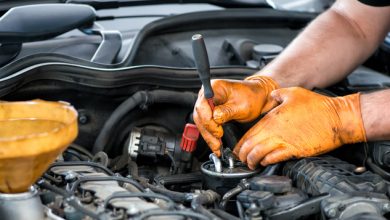
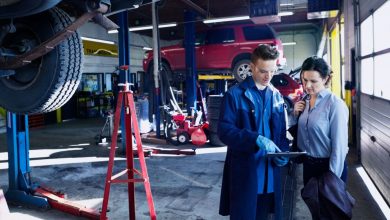
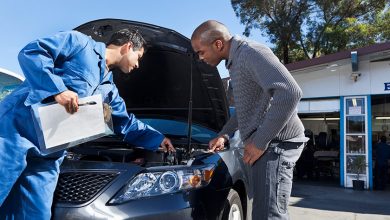
Scheduling maintenance before a long trip is one of the smartest precautions. A professional inspection can catch problems you might miss.
Preventive service helps ensure:
- Reliable performance throughout the journey
- Reduced risk of breakdowns
- Greater peace of mind
Maintenance is far easier at home than on the roadside.
Final Thoughts
Preparing your car for a long road trip is essential for safety, comfort, and reliability. From checking fluids and tires to ensuring brakes and batteries are in good condition, thoughtful preparation reduces stress and protects both your vehicle and passengers. A little preparation goes a long way toward an enjoyable and trouble-free journey.
Frequently Asked Questions
How far in advance should I prepare my car for a road trip?
Ideally, preparation should begin at least one to two weeks before departure.
Should I get an oil change before a long trip?
Yes, especially if your next oil change is due during or shortly after the trip.
Is it necessary to bring spare fluids on a road trip?
Carrying small amounts of oil and coolant can be helpful for long or remote trips.
Can overloading the car affect performance?
Yes. Excess weight increases fuel consumption, tire wear, and braking distance.
Should I check alignment before a long drive?
If the vehicle pulls to one side or tires show uneven wear, alignment should be checked.
Does highway driving put less strain on a car?
Highway driving is generally easier on engines than stop-and-go traffic, but extended operation still requires proper maintenance.
Is a professional inspection worth it before traveling?
Yes. A professional inspection provides added confidence and helps identify hidden issues before they cause problems.