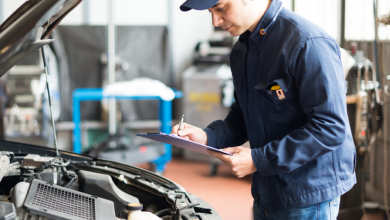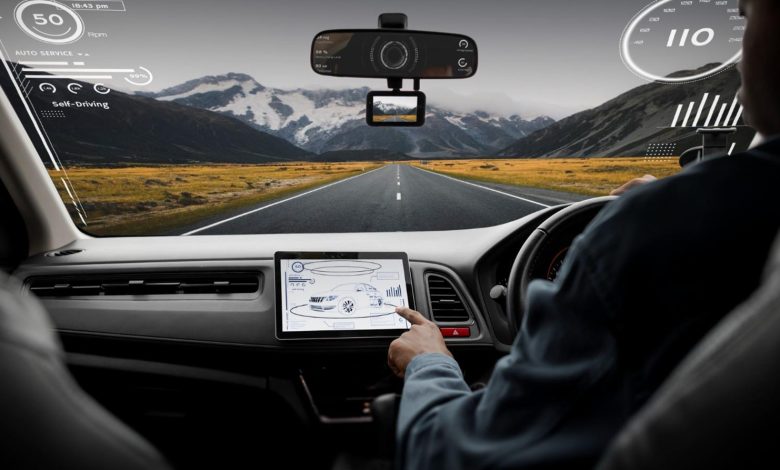
Autonomous vehicles are redefining transportation by combining advanced software, sensors, and artificial intelligence with traditional automotive systems. As this technology evolves, auto service for autonomous vehicles requires new standards, tools, and expertise. Maintenance is no longer just mechanical—it’s a blend of software management, sensor calibration, and safety validation.
How Autonomous Vehicles Change Auto Service
Unlike conventional cars, autonomous vehicles rely heavily on data-driven systems to operate safely. Servicing these vehicles goes beyond oil changes and brake inspections.
Key differences include:
- Software-driven performance
- Heavy reliance on sensors and cameras
- Continuous data monitoring
- Strict safety validation requirements
This shift transforms auto service into a highly technical discipline.
Core Systems That Require Specialized Servicing
Autonomous vehicles are built around multiple interconnected systems, each requiring precise maintenance.
Sensor and Camera Systems
Sensors such as lidar, radar, ultrasonic units, and cameras guide vehicle perception.
Service considerations include:
- Cleaning and alignment
- Calibration after repairs or impacts
- Validation of detection accuracy
Even minor misalignment can affect driving decisions.
Software and Control Systems
Software controls navigation, object recognition, and decision-making.
Servicing software involves:
- System diagnostics and error analysis
- Software updates and patches
- Validation of system performance after updates
Regular software checks are as important as mechanical inspections.
Traditional Mechanical Components
Despite automation, autonomous vehicles still rely on conventional systems.
These include:
- Brakes and suspension
- Steering systems
- Tires and drivetrains
Mechanical reliability remains critical for safe autonomous operation.
The Importance of Calibration in Autonomous Vehicle Service
Calibration is one of the most critical aspects of autonomous vehicle maintenance.
Proper calibration ensures:
- Accurate sensor data interpretation
- Reliable lane-keeping and obstacle detection
- Consistent system performance across conditions
Calibration is typically required after windshield replacement, suspension work, or collisions.
Diagnostic Tools Used in Autonomous Vehicle Service
Servicing autonomous vehicles requires advanced diagnostic platforms capable of interpreting complex data.
Modern tools provide:
- Real-time sensor data analysis
- Fault detection across multiple systems
- Simulation and testing environments
These tools help technicians verify that autonomous features respond correctly in real-world scenarios.
Safety Standards and Validation Procedures
Safety is the foundation of autonomous vehicle service. Every repair or update must meet strict validation standards.
Safety-focused service practices include:
- Post-service system testing
- Redundancy checks
- Verification of emergency response systems
Thorough validation ensures the vehicle can safely operate without constant human intervention.
Technician Training and Certification
Servicing autonomous vehicles demands specialized training beyond traditional automotive education.
Modern technicians must understand:
- Sensor technologies and AI-assisted systems
- Software diagnostics and updates
- Cybersecurity basics
Ongoing training is essential as autonomous technology evolves rapidly.
Data Management and Cybersecurity in Auto Service
Autonomous vehicles generate and store large volumes of data. Protecting this information is a growing service responsibility.
Service centers must manage:
- Secure data access and storage
- Protection against unauthorized system changes
- Compliance with data privacy standards
Cybersecurity is now a core component of vehicle safety.
The Future of Auto Service for Autonomous Vehicles
As autonomy increases, auto service will become more predictive and software-centric.
Future trends may include:
- Remote diagnostics and updates
- AI-assisted service recommendations
- Increased standardization of autonomous service protocols
Auto service will continue to evolve alongside vehicle autonomy.
Frequently Asked Questions (FAQs)
1. Are autonomous vehicles harder to service than traditional cars?
Yes. They require specialized tools, training, and calibration procedures in addition to standard mechanical service.
2. How often do autonomous systems need calibration?
Calibration is required after certain repairs, impacts, or system updates, and sometimes during routine inspections.
3. Can regular auto repair shops service autonomous vehicles?
Only if they have the proper equipment and trained technicians for autonomous systems.
4. Do autonomous vehicles still need routine maintenance?
Absolutely. Mechanical components still require regular inspection and servicing.
5. How important are software updates for autonomous vehicles?
Extremely important. Updates improve performance, safety, and system reliability.
6. Is cybersecurity part of autonomous vehicle servicing?
Yes. Protecting vehicle systems from unauthorized access is a key service responsibility.
7. Will autonomous vehicles reduce the need for auto service?
No. While some repairs may change, the complexity of autonomous systems ensures ongoing service demand.