Routine maintenance often feels optional—especially when everything appears to be working fine. Many homeowners, vehicle owners, and business operators delay maintenance to save time or money. Unfortunately, this short-term thinking almost always leads to higher costs, greater inconvenience, and avoidable stress down the road. Skipping maintenance is not a savings strategy; it is a deferred expense with interest.
The Illusion of Short-Term Savings
At first glance, postponing maintenance seems harmless. If nothing is broken, why spend money fixing it? The issue is that most systems fail gradually, not suddenly. Small issues develop quietly, worsening over time until they trigger a major breakdown.
What feels like saving today often becomes:
- Emergency repair bills
- Unexpected downtime
- Higher replacement costs
- Reduced efficiency and performance
In many cases, the cost of delayed maintenance can be three to five times higher than the cost of preventive care.
Minor Problems Escalate Into Major Repairs
Neglected maintenance allows small defects to snowball into expensive failures. A loose belt, clogged filter, or minor leak can damage surrounding components if left unaddressed.
Examples of escalation include:
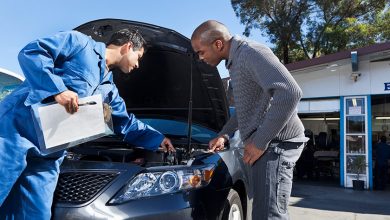
- Vehicles: Skipping oil changes leads to engine wear and potential failure
- Homes: Ignoring roof damage causes water intrusion and structural decay
- Equipment: Unlubricated parts increase friction, overheating, and breakdowns
Preventive maintenance exists to catch problems before they reach the critical stage.
Increased Energy and Operating Costs
Poorly maintained systems are inefficient. Dirt, wear, and misalignment force equipment to work harder, consuming more energy and resources.
Common efficiency losses include:
- HVAC systems using more electricity due to clogged filters
- Appliances running longer cycles because of worn components
- Machinery drawing excess power from friction and resistance
Over time, these inefficiencies silently inflate monthly utility and operating bills.
Shortened Lifespan of Assets
Every asset—whether a building, machine, or vehicle—has an expected service life. Skipping maintenance significantly shortens that lifespan.
Without regular care:
- Components degrade faster
- Corrosion and wear accelerate
- Replacement becomes inevitable much sooner
Replacing an asset early is far more expensive than maintaining it properly over its intended lifespan.
Higher Risk of Sudden Failures and Emergencies
Breakdowns rarely happen at convenient times. Deferred maintenance increases the likelihood of sudden, disruptive failures that require immediate attention.
Emergency situations often involve:
- Premium repair rates
- Limited service options
- Operational shutdowns
- Safety hazards
Planned maintenance, by contrast, allows repairs to be scheduled on your terms, not during a crisis.
Safety and Liability Concerns
Maintenance is not just about cost—it is also about safety and responsibility. Neglected systems can become dangerous, leading to accidents, injuries, or property damage.
Potential risks include:
- Faulty electrical systems causing fires
- Worn vehicle components leading to accidents
- Poorly maintained equipment injuring operators
In commercial settings, these risks can also translate into legal liability, fines, or insurance complications.
Preventive Maintenance as a Cost-Control Strategy
Regular maintenance is one of the most effective ways to control long-term expenses. It transforms unpredictable repair costs into planned, manageable investments.
Key benefits include:
- Early detection of issues
- Improved performance and reliability
- Lower total cost of ownership
- Peace of mind
Maintenance is not an expense to avoid—it is a strategy to protect value.
Final Thoughts
Skipping maintenance may feel like a smart financial move in the moment, but the long-term consequences are almost always more expensive. From higher repair bills and energy costs to safety risks and premature replacements, the price of neglect adds up quickly. Investing in routine maintenance is ultimately an investment in durability, efficiency, and financial stability.
Frequently Asked Questions
Why does preventive maintenance save money over time?
Preventive maintenance identifies small issues early, preventing them from becoming costly repairs or full replacements later.
How often should maintenance be performed?
The frequency depends on the asset, usage, and manufacturer recommendations, but regular scheduled inspections are essential.
Is maintenance still necessary if equipment seems to work fine?
Yes. Many problems develop internally and show no visible signs until serious damage has occurred.
Can skipping maintenance affect resale value?
Absolutely. Poor maintenance records reduce buyer confidence and significantly lower resale or trade-in value.
What types of maintenance are most commonly neglected?
Routine tasks like inspections, lubrication, filter replacements, and software updates are often overlooked.
Does maintenance reduce downtime?
Yes. Planned maintenance minimizes unexpected failures and keeps systems running reliably.
Is maintenance more important for older systems?
Older systems especially benefit from maintenance, as wear and fatigue make them more vulnerable to failure.