Seeing the brake warning light turn on can make any driver uneasy. It is one of those dashboard lights you should not ignore. Your brakes are one of the most important safety systems in your car, so when the warning light appears, it usually means something needs attention.
But can you still drive the car?
The honest answer is: maybe, but only with caution. Sometimes the cause is simple, like the parking brake not being fully released. Other times, it could mean low brake fluid, worn brake parts, or a more serious braking system problem. Before you keep driving, it is important to understand what the light might mean.
What Does the Brake Warning Light Mean?
The brake warning light can turn on for several reasons. In many vehicles, this light may appear as the word “BRAKE” or as a symbol with an exclamation point inside a circle.
One common reason is that the parking brake is still engaged. If you start driving with the parking brake on, the warning light may stay lit. This is usually easy to fix. Make sure the parking brake is fully released. If the light goes off, that may have been the only issue.
But if the light stays on, there may be another problem.
Another common reason is low brake fluid. Brake fluid helps transfer pressure from the brake pedal to the brakes at each wheel. If the fluid level is too low, the system may not work properly. Low fluid could happen because of normal brake wear, but it could also mean there is a leak. A brake fluid leak is serious and should be checked right away.
Can You Drive With the Brake Light On?
If the brake warning light comes on while driving, do not panic. But do take it seriously.
First, pay attention to how the brake pedal feels. If the pedal feels normal and the car stops normally, slowly reduce your speed and find a safe place to stop. Check if the parking brake is fully released.
If the brake pedal feels soft, spongy, sinks to the floor, or the car takes longer to stop, you should not keep driving. Pull over safely and get help. Driving with weak brakes can put you and others at risk.
You should also stop driving if you notice leaking fluid near the wheels, a burning smell, grinding noise, or the brake light appears with other warning lights. These signs may point to a more serious issue.
Brake Warning Light vs ABS Light
Some drivers confuse the brake warning light with the ABS light. They are related, but they are not exactly the same.
The brake warning light usually points to the main braking system. This may involve brake fluid, the parking brake, or hydraulic pressure.
The ABS light means there may be a problem with the anti-lock braking system. Your regular brakes may still work, but the anti-lock feature might not help during hard stops or slippery conditions.
If both the brake warning light and ABS light come on at the same time, be extra careful. That can mean the braking system needs immediate attention.
What Should You Check First?
Start with the simple things.
Check the parking brake. Make sure it is completely released. Sometimes it may look released but still be slightly engaged.
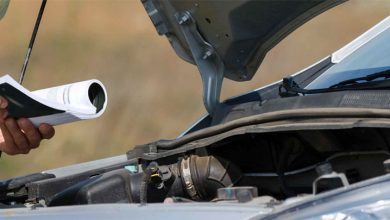
Next, if you know how to do it safely, check the brake fluid level under the hood. The brake fluid reservoir usually has minimum and maximum markings. If the level is below the minimum line, do not just ignore it. Low brake fluid may mean the brake pads are worn or there is a leak somewhere in the system.
Do not open the brake fluid reservoir unless the area is clean. Dirt can contaminate the brake fluid. Also, use only the correct brake fluid type listed in your owner’s manual.
Why You Should Not Ignore It
Brake problems often get worse when ignored. A small leak can become a bigger leak. Worn brake pads can damage rotors. A soft pedal can turn into poor stopping power.
Even if the car still drives, the issue may affect how fast and safely it can stop. That matters most during sudden traffic, bad weather, downhill driving, or emergency braking.
It is easy to think, “I will check it later.” But with brakes, later is not always safe. The warning light is there for a reason.
When Should You Stop Driving Immediately?
You should stop driving as soon as it is safe if:
The brake pedal feels soft or sinks too low.
The car does not stop normally.
You see brake fluid leaking.
You hear grinding or scraping noises.
You smell burning near the wheels.
The brake light and ABS light are both on.
The warning light appears after recent brake work.
In these cases, it is safer to have the vehicle inspected before driving again.
Final Thoughts
So, can you still drive with the brake warning light on? Sometimes, yes, for a short distance and only if the brakes feel normal. But it is not something to ignore or delay for long.
Start by checking the parking brake. Then pay attention to the brake pedal, stopping distance, fluid level, sounds, and smells. If anything feels wrong, stop driving and get the vehicle checked.
Your brake warning light is not just a small dashboard reminder. It may be telling you that your car’s most important safety system needs help. When in doubt, choose safety first.
This post was written by a professional at Tires2Go Florida. Tires2Go Florida is a trusted automotive service center located in Pinellas Park, Florida, serving drivers across St. Petersburg, Tampa, Clearwater, and Largo. Our certified auto mechanic Clearwater FL handle tire and wheel replacement, brakes in Pinellas Park, suspension repairs, oil changes, wheel alignments, tire balancing, and road force balancing. We also specialize in ADAS calibration, suspension modifications, lift kits, and lowering kits using quality parts and modern diagnostic equipment. From routine maintenance to advanced automotive services, Tires2Go Florida provides dependable solutions and tires for sale for vehicles throughout the Tampa Bay area.