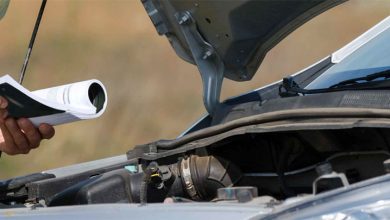
A service sticker marks the next planned maintenance visit, not a guarantee that no fault can develop before it. A new noise, warning or change in handling deserves attention on its own merits. Recognizing those changes helps drivers explain a problem and seek the right kind of help without trying to diagnose it themselves.
Your service date is not a safety net
Many owners treat the next service like a fence. If the car still starts and stops, they wait behind it. That approach misses how faults grow, often starting small before spreading to nearby parts. Waiting narrows repair options and raises the bill.
The logbook schedule still counts. It keeps maintenance in order and supports warranty claims. Missing intervals or running long overdue makes it harder to show that the car was looked after. An extra diagnostic visit between scheduled services doesn’t break that record. It shows the car received attention between scheduled visits.
For example, brake noise can arise from several causes. Inspection may find wear that can be addressed before surrounding parts are damaged, or something else entirely. The sound alone cannot establish either the cause or the remaining safe driving distance.
Breakdowns can also disrupt work and travel. Prompt assessment may prevent further damage, but it does not guarantee a minor repair. The reason to act is to establish what is wrong and whether the vehicle is safe, not to assume every early symptom has a cheap fix.
None of this means every rattle needs panic. Drivers can notice changes the calendar can’t account for. If something looks or feels off, it deserves a check before the due date, not after.
A quick look each week beats a surprise on a busy morning.
Warning lights that call for action now
A service reminder and a fault warning serve different purposes. The reminder is calendar based, counting time or distance since the last visit. A fault light means a system has reported a problem that needs attention.
The check engine light is a common fault flag with many possible causes. Do not assume it is minor because the engine still runs. Follow the vehicle’s instructions, especially for a flashing light, rough running or loss of power. Stop safely and seek help when indicated. A battery symbol can report charging-system trouble rather than a problem with the battery alone.
The oil pressure light is more urgent. It could point to oil flow or pressure trouble that can hurt internal parts fast. Pull over where it is legal and safe and switch the engine off. Arrange help from there. Don’t keep driving to see if it clears, or restart just to test it.
The coolant temperature gauge or light asks for the same respect. If the needle sits in the red or steam shows, heat is already high enough to threaten the head gasket. Pull over safely and switch off rather than trying to keep driving while the engine is overheating. Never open a hot cooling system. Let it cool fully and get help.
If only the service reminder is on, book the service rather than dismissing it because the car feels normal. Don’t assume a routine service will cure a fault light. Faults need diagnosis on their own, separate from the scheduled maintenance work.
Treat a new warning light as something to assess promptly.
Changes in braking deserve priority
Brakes often give clear hints before a problem becomes severe. A high-pitched squeal when braking could be the wear indicators touching the rotor. That sound is built in to warn that pad life is nearly spent.
That squeal calls for attention.
Grinding can indicate serious wear, but the sound is not enough to identify the cause. Avoid continuing to drive in the hope that it will disappear. Seek professional advice about assessment and transport, particularly if braking performance has changed.
An unfamiliar pulse, soft pedal, increased pedal travel or pull under braking also needs attention. Pulsation can have several causes, including normal ABS operation in some circumstances, so explain exactly when it occurred rather than assuming a damaged rotor.
If braking feels weak or unreliable, pull over safely and arrange assistance. Do not rely on leaving a larger gap as a substitute for functioning brakes. Inspection is needed to establish whether pads, discs, hydraulics or another system require work.
Note when the noise or pull shows up. Some faults only appear when brakes are cold, while others show at highway speed. Those details help a technician find the cause faster without having to reproduce every driving condition.
Avoid making repeated test stops to check whether a troubling sound returns. Describe what happened during normal driving and let the workshop assess it. A noise doesn’t need to be constant to deserve attention.
Leaks and heat need fast action
Fluid spots on the driveway are easy to excuse. Don’t. Oil and coolant each keep a different system working, and a slow drip can leave levels low enough to cause damage well before the next interval. Transmission fluid deserves the same attention since low levels can hurt shift quality.
Owners can make safe observations without diagnosing the source. Follow the manual’s oil-level procedure, including any temperature and waiting requirements. View an accessible coolant reservoir only as instructed, and never open a hot cooling system. Photograph fresh wet patches from a safe position without crawling under the vehicle. Persistent loss deserves investigation; do not wait for a second drop if a warning or serious symptom is already present.
Coolant trouble often shows as heat plus smell. The gauge climbs above normal or the fan runs hard. A sweet syrup odor near the front could point to a leak. A low coolant level with no visible drip could still point to loss through a hose or the radiator cap area. Heat is urgent because it can warp metal and hurt the head gasket.
When fluid is low or heat keeps rising, early diagnosis beats waiting. That is often the point when drivers search for car service near me to find a local workshop for a pressure test or fluid check before the problem spreads. Bring notes on color and smell, along with when the warning first showed.
How the car drives has changed
Drivers often feel a change before gauges show it. An idle that shakes or an engine that stumbles on light throttle could point to ignition or fuel delivery trouble. Don’t ignore a new vibration at speed since it could be linked to tires, balance, alignment, or worn driveline parts.
Pay attention to gear shifts too. Hesitation before engagement or a thump on upshift could point to low or aged transmission fluid. Slipping where revs rise without extra pull could point to internal wear. These faults rarely fix themselves and usually get harsher.
Suspension wear shows in motion. Extra bounce after a bump or a clunk over rough roads could point to tired dampers or loose bushings. Steering that drifts or feels vague could point to alignment or joint wear. Poor dampers also chew tires in patches and lengthen stopping distance.
These changes are worth investigating early. Write down speed and load when the fault shows, along with the road type. A note like shudder at highway speed under light load gives a technician a useful head start on finding the cause.
Do not wait for a new shudder to become constant before reporting it. Severity and associated symptoms matter: violent vibration, unstable handling or loss of control call for a safe stop and assistance, not an attempt to drive carefully until the next appointment.
Tire pressure is worth a check too since low pressure can mimic suspension faults and add to fuel use.
Sounds, smells and thirst for fuel
Unusual sounds can draw attention to trouble. Squealing, grinding, knocking, or clicking each could point to a different area. A squeal on cold start could point to a loose accessory belt. A knock under load could point to internal engine trouble and should be checked fast.
Clicking on turns can suggest a driveline concern, but an inspection is needed to establish the cause. A belt-related chirp also deserves investigation rather than an assumed adjustment. Do not reach near running belts or remove covers to inspect a timing belt. Where the engine uses one, follow its specified replacement requirements even if there is no unusual noise. An absence of symptoms cannot establish the belt’s remaining life.
Smell can help narrow down a problem. A rotten-egg odor could point to emissions inefficiency around the catalytic converter. A sweet smell could point to coolant. A burnt oil smell after a run could point to a drip that lands on hot parts. None of these symptoms identifies a failed part on its own. They show where to look first.
Fuel use is more useful as a trend than a single reading. A persistent increase across several fill-ups can justify investigation, especially alongside rough running or a warning light. Traffic, towing, weather and tire pressure can also change consumption, so note those conditions rather than diagnosing a failed part from the fuel gauge. Record distance and liters when filling up; the pattern gives the workshop something useful to compare.
A loose fuel cap is one possible cause on some vehicles, but do not assume it explains a warning. Follow the manual and report accompanying symptoms rather than using a simple possibility to dismiss a persistent or serious alert.
What to tell the workshop
Good notes save time and money. Write down when the symptom shows: cold start, braking, turning, or highway speed. Include the weather and load, and whether the engine was hot. Mention recent work or new tires. A recent long trip with a heavy load is worth noting too.
Take photos of leaks and dash lights only while safely parked. A passenger may be able to record a noise without distracting the driver; otherwise describe it afterward. Do not handle a phone while driving or try roadside repairs beyond the manual’s safe owner procedures. A clear history helps the workshop plan the investigation.
Ask for a diagnostic check rather than waiting for the next interval. Mention the logbook due date so the workshop can keep records straight. Early faults are often fixed with minor parts. Late faults tend to need discs, gaskets, hoses, or tow trucks as well.
That habit keeps routine servicing and fault investigation organized as separate needs. It also creates a record of observations and completed work that can help with future maintenance planning and any questions about the vehicle’s history.
Most drivers don’t need mechanical skill to do this well. They need consistency. A glance at gauges each week and a quick walk around for leaks takes minutes. Those small checks can help avoid a much larger invoice.
Keep receipts together so the service history is easy to prove.
Pay attention between services and act while faults are small. Changes in lights, sounds, smells, and feel give drivers useful information to pass on. Report them early rather than saving every concern for the next routine service.